Nickel Alloy C22, more commonly known as Hastelloy C22, Nicrofer 5621, Superimphy C22, and Inconel 622, has become one of the safest options for any industry. Anyone who has spent time around chemical plants or high-temperature processing units knows one thing: metals have limits. The moment equipment steps into environments filled with hot chlorides or vapour-rich chambers, the most common alloys begin to lose their confidence. Stainless steels that behave perfectly in a food plant or a mild utility line suddenly start showing cracks or unexplained thinning.
That’s where the advanced nickel alloys come in (not as a luxury choice, but almost as a necessity). And among all the options engineers discuss in meetings or while troubleshooting, Hastelloy C22 appears again and again. There are many people who see it as the only material they trust when failure is simply not an option.
Introduction
Over the past decade, industries that deal with chemicals, pharma ingredients, energy systems, or even seawater intake units have started demanding materials that don’t just resist corrosion in theory but stay stable when exposed to mixed contaminants and extreme temperatures. Plants operate longer hours, production runs get more aggressive, and cleaning cycles involve harsher chemistry than ever.
In these conditions, you don’t want an alloy that performs “okay.” You want a material that stands firm even when exposed to hot brine one day and oxidising acids the next. Nickel Alloy C22 fits that description. Its resistance to pitting, crevice corrosion, and stress corrosion cracking is not just a marketing line; many facilities choose the alloy precisely because they’ve seen what happens when lesser materials are tried first.
So the question is: what exactly gives C22 this level of strength? That’s where its chemistry and microstructure come into the picture.
What Makes Nickel Alloy C22 Unique?
If you compare Alloy C22 with a standard stainless steel, the differences go deeper than just “more nickel” or “extra elements.” The alloy is built around a balance of Nickel, Chromium, Molybdenum, and Tungsten, each playing a very specific role. Chromium provides the backbone for passivation, molybdenum enhances resistance to reducing acids, and tungsten contributes to its stability when environments vary.
Many alloys behave well in either oxidising or reducing media, but struggle when both exist in the same system, which is extremely common in real industrial conditions. C22 doesn’t have that problem. Even when process conditions shift unpredictably, operators see the alloy maintain its protective layer.
Excellent Chloride and Acid Corrosion Resistance
Chlorides are notorious troublemakers. Ask anyone who has dealt with failed heat exchangers or corroded scrubber parts. They can bypass stainless steel’s passive film and start damaging equipment quickly. Hastelloy C22, on the other hand, keeps its surface layer intact even in high-chloride environments.
And it isn’t only chlorides. Strong mineral acids like sulfuric and hydrochloric acid (especially at elevated temperatures) tend to eliminate cheaper alloys early in the game. Alloy C22 holds up remarkably well here, which is why many acid-handling pipelines, agitators, and reactor components rely on it.
High Mechanical Strength at Elevated Temperatures
Another point that sets C22 apart is that strength doesn’t drop abruptly when temperatures rise. In chemical plants and high-temperature treatment units, equipment experiences a mix of heat and pressure. And not every alloy likes that combination. C22 manages to retain its structure without deformation, giving designers more freedom when sizing components or planning pressure zones.
Outstanding Resistance to Pitting and Crevice Corrosion
Localised corrosion is sneaky. It doesn’t always announce itself, and once it begins, the damage escalates quickly. In stagnant, salty, or partially aerated systems, pitting and crevice corrosion become the main failure modes. Nickel Alloy C22 resists both exceptionally well, which explains its popularity among marine systems and desalination plants that constantly fight saline exposure.
Why Nickel Alloy C22 Performs Better in Harsh Conditions
There are 3 main characteristics that make Alloy C22 a better performer in even harsh conditions.
Superior Weldability and Fabrication
Some high-performance alloys lose corrosion resistance right at the weld joint. C22 doesn’t fall into that trap when proper filler materials and procedures are used. Weld zones retain nearly the same resistance as the parent metal, making the alloy far easier for fabricators to trust.
Long Service Life and Reduced Maintenance
Industrial downtime isn’t cheap. When a pipeline fails or a tank springs a leak, the cost goes beyond the repair itself. There’s product loss, safety intervention, contamination risk, and a long list of operational delays. By choosing Alloy C22, plant managers effectively buy themselves peace of mind. The alloy delivers longer service life, fewer unexpected failures, and more predictable maintenance intervals.
Versatility Across Temperature and Pressure-Intensive Environments
C22 is a very versatile alloy. Whether it’s exposed to sudden temperature variations, corrosive slurries, or high-pressure circulation, the alloy stays consistent in its behaviour. This makes them engineers’ favourite as many like the idea of using a single alloy across multiple sections of a plant.
Industrial Applications of Nickel Alloy C22
Because of its reliability, Alloy C22 finds its way into a wide range of industries:
- chemical reactors, acid production lines, and heat exchangers
- pharmaceutical mixing vessels and cleaning systems
- downhole components, piping, and offshore equipment in oil & gas
- pollution control units such as scrubbers and waste treatment reactors
- desalination units and seawater-exposed components
- power generation and nuclear systems dealing with corrosive steam or deposits
The range is broad because the alloy answers multiple problems at once: corrosion, temperature, pressure, and process fluctuation.
How to Choose Nickel Alloy C22 Components for Industrial Use
Here’s how you can determine which component of C22 should you choose using 3 simple steps:
Evaluate Environmental Exposure Conditions
Start with the medium: Is it acidic? Chloride-heavy? Does the temperature vary? Matching real-world conditions with C22’s strengths prevents premature failures.
Check Manufacturing Standards and Specifications
For mission-critical installations, look for components meeting ASME, ASTM, ISO, or NACE guidelines. These standards confirm the alloy’s mechanical and corrosion properties.
Consider Form Availability
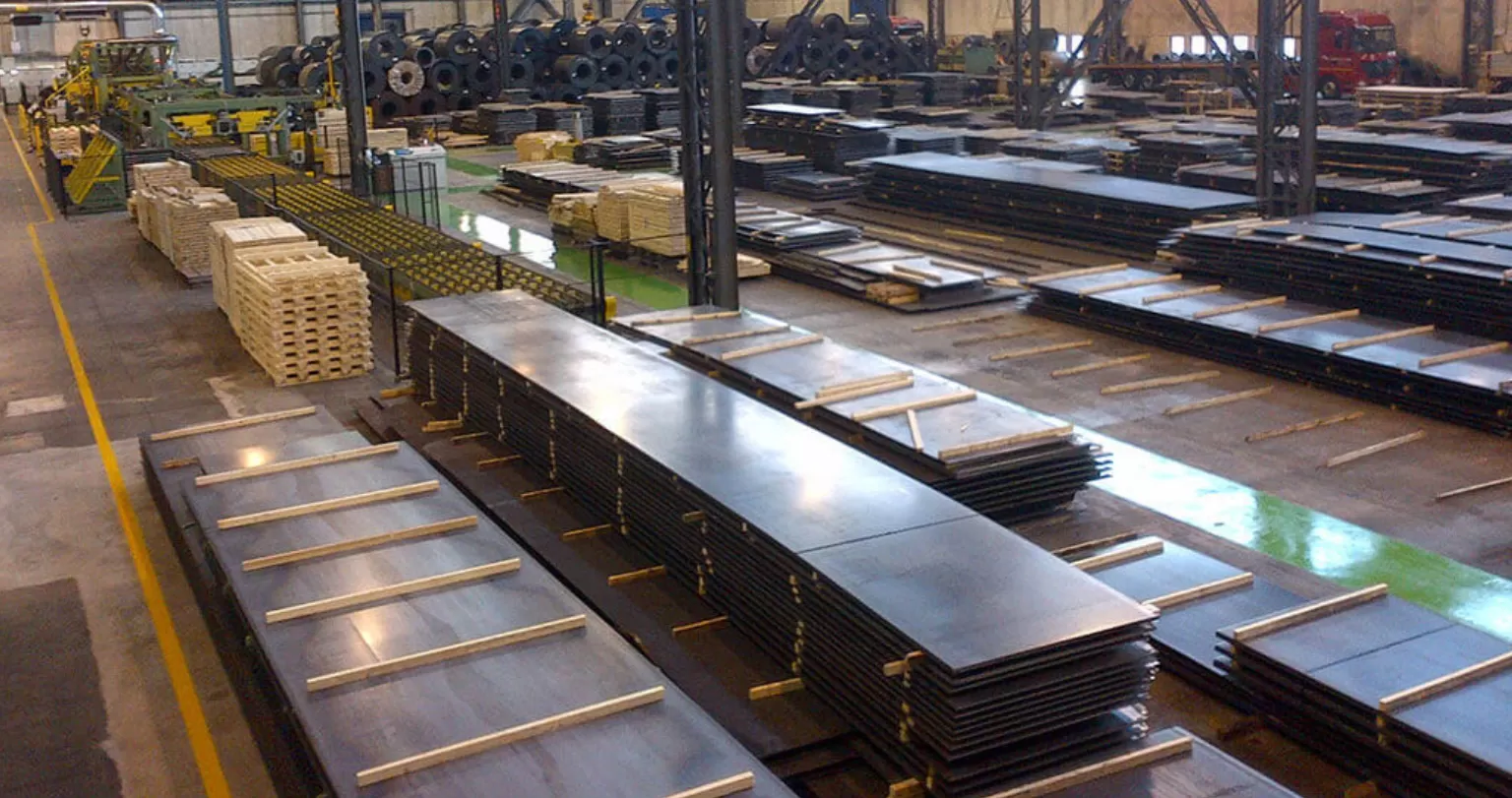
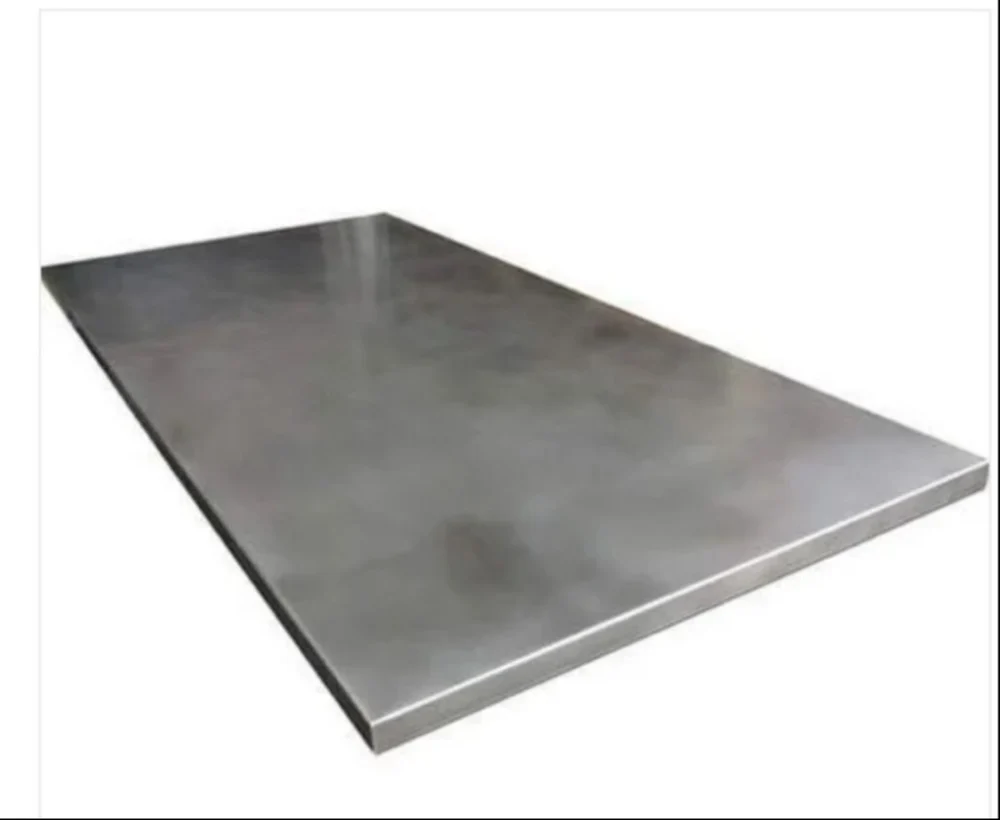
Different systems require different shapes and thicknesses. Fortunately, Nickel Alloy C22 is available as plates, sheets, pipes, fasteners, valves, and fabricated assemblies. A supplier like us, Navgraha Steels, usually helps match the right form with the engineering need.
Conclusion
Nickel Alloy C22 remains one of the most dependable materials for harsh industrial conditions. Its combination of corrosion resistance, strength retention, and predictable long-term behaviour makes it a preferred choice for industries that simply cannot afford equipment failure. The alloy stands out as a durable, high-performance option that keeps operations safer and more efficient.