TMT (Thermo-Mechanically Treated) bars are a cornerstone of modern construction, known for their strength, durability, and resistance to corrosion. Among the various grades of TMT bars available, FE500 and FE500D are two of the most commonly used. Though similar in many respects, they have key differences that make them suitable for different applications. Understanding these differences is crucial for selecting the right material for your construction needs.
What is FE500 Steel?
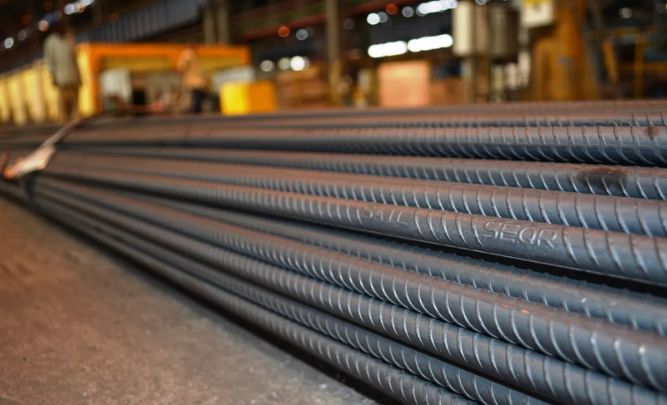
FE500 steel refers to a grade of TMT bars with a minimum yield strength of 500 N/mm². These bars are highly regarded for balancing strength and flexibility, making them ideal for various construction projects. The “500” in FE500 indicates the yield strength, while “FE” stands for “Ferrum,” the Latin word for iron, which is the primary component of steel.
The density of TMT bars, including FE500, is typically around 7850 kg/m³. This density remains consistent across different grades, as it is a property of the steel itself rather than the specific treatment or grade.
Key Differences Between FE500 and FE500D
Ductility
The most significant difference between FE500 and FE500D lies in their flexibility. The “D” in FE500D stands for “Ductile,” indicating that this grade has higher flexibility than FE500. FE500D TMT bars have a higher percentage of elongation, making them more flexible and able to withstand greater deformation without breaking. This makes FE500D particularly useful in earthquake-prone areas where buildings need to absorb more stress and strain.
Chemical Composition
Compared to FE500 bars and FE500D TMT bars, FE500D TMT bars have lower levels of carbon, sulfur, and phosphorus. The reduced carbon content enhances flexibility, while the lower sulfur and phosphorus levels improve the bars’ weldability and resistance to corrosion. This makes FE500D a superior choice for projects where long-term durability and resilience are critical.
Yield Strength and Tensile Strength
Both FE500 and FE500D have the same yield strength of 500 N/mm². However, FE500D TMT bars offer higher tensile strength, providing better performance under stress. This makes FE500D a preferred choice for high-rise buildings and large infrastructure projects where strength and safety are paramount.
Applications
- FE500 TMT Bars: Due to their balanced properties, FE500 bars are widely used in residential construction, bridges, dams, and other general-purpose structures. Their robust strength makes them suitable for buildings that do not require the additional flexibility of FE500D.
- FE500D TMT Bars: The higher flexibility of FE500D bars makes them ideal for use in structures subject to dynamic loads, such as high-rise buildings, industrial projects, and infrastructure in seismic zones. Their superior resistance to stress and strain ensures that these structures remain stable and secure even under extreme conditions.
Conclusion
Choosing between FE500 and FE500D TMT bars depends on your project’s specific requirements. If your focus is on overall strength for general construction, FE500 is a reliable and cost-effective option. However, for projects where flexibility, elasticity, and resistance to seismic activity are crucial, FE500D TMT bars are the better choice.
Understanding the differences between these two grades will help you make an informed decision, ensuring that your construction project is both safe and durable. Whether you’re building a simple residential structure or a complex, high-rise building, selecting the right TMT bar can make all the difference in the long-term success of your project.