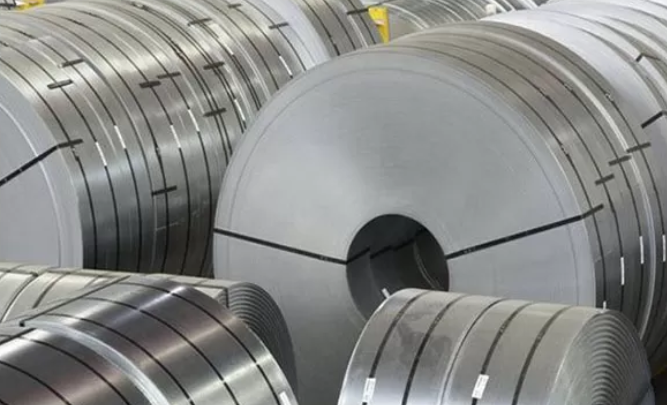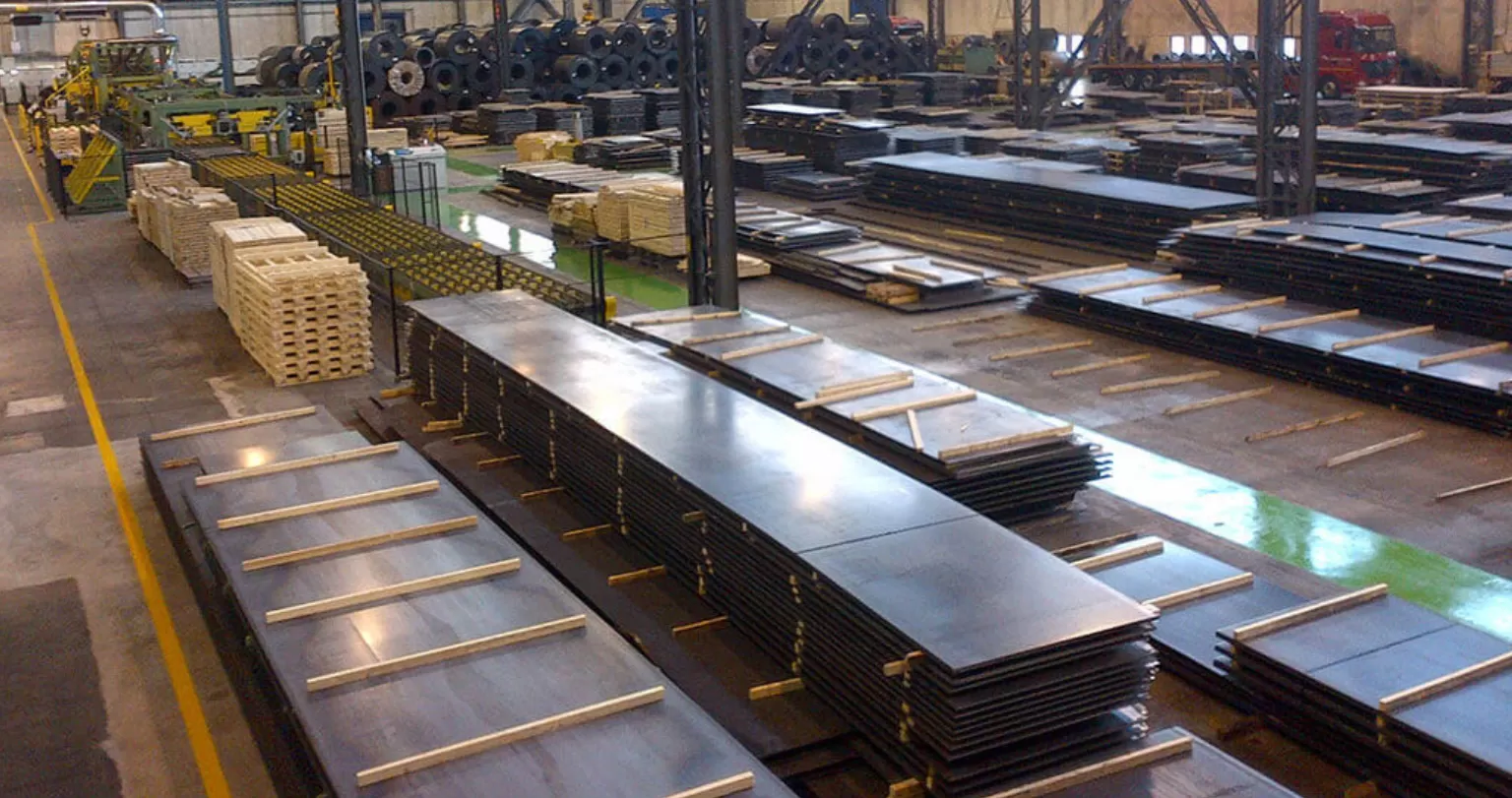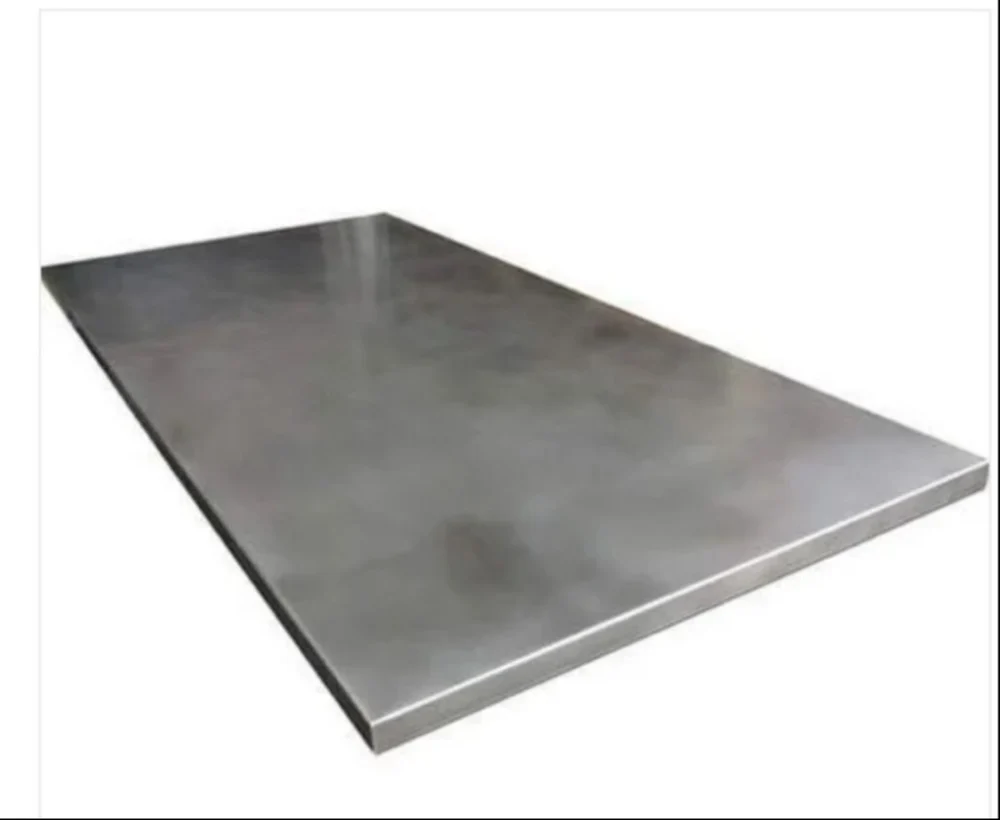
Fe500 TMT Bar, generally referred to as a TMT Bar, can be found in almost all the big projects like metro lines, architecture, etc. Modern construction doesn’t really give us the luxury of using shortcuts anymore. Buildings keep going higher, foundations keep getting heavier, and safety rules only get stricter year after year. Somewhere in the middle of all this, engineers need a type of reinforcement steel that doesn’t flinch under pressure. And this brings us to Fe500 TMT Bars, for anything that demands strength without becoming impractical on site.
The Increasing Importance of High-Strength TMT Bars in Construction
Take any major city today, and you’ll see a mix: older buildings squeezed next to new towers, flyovers weaving through the landscape, and infrastructure projects breaking ground almost everywhere. As this shift happens, the role of reinforcement steel keeps getting more serious.
Ordinary bars that worked fine a couple of decades ago can’t always keep up with today’s conditions. A tall building places pressure across different points at different times. Highways and bridges feel the heat, literally and mechanically. In coastal areas, humidity doesn’t just affect walls but eats into steel. And in earthquake-prone zones, the entire structure depends on reinforcement that can flex before it cracks.
Because of all this, high-strength TMT bars (especially Fe500) have become almost a baseline choice. They balance strength with flexibility and they don’t add unnecessary weight to a structure.
What Makes Fe500 TMT Bars Different
Fe500 is essentially regular steel taken through a much more controlled manufacturing route (TMT, or thermo-mechanical treatment). That “500” in the name stands for a minimum yield strength of 500 MPa, which already puts it ahead of Fe415 and other lower grades.
These 3 features make Fe500 a favourable choice:
High Yield and Tensile Strength
Big structures like towers, bridges, large RCC foundations, etc, generate loads that aren’t always predictable. Fe500 bars can take that load without permanent deformation. Their tensile strength gives them the reserve capacity needed during stress surges, a major advantage in heavy-duty construction.
Ductility with Structural Safety
Fe500 bars maintain flexibility, which means instead of snapping under sudden pressure, they bend and absorb the energy. On-site, this ductility also makes bending and shaping easier, which speeds up the reinforcement process.
Better Durability and Corrosion Resistance
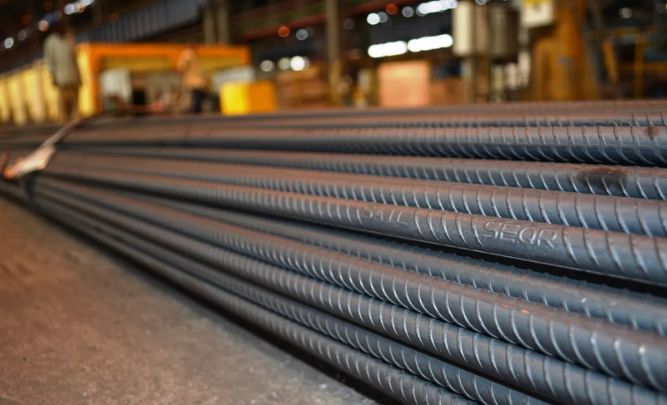
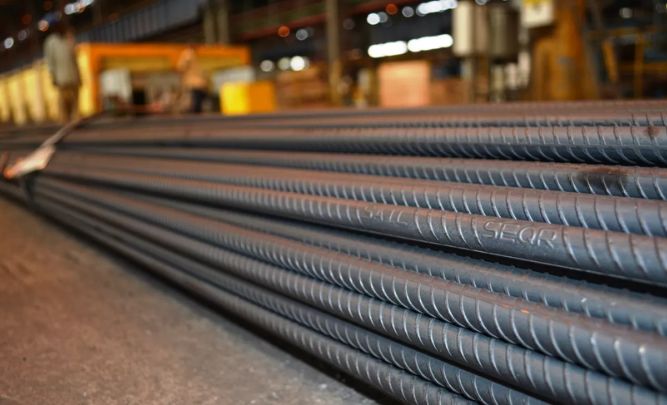
The rib pattern on Fe500 bars helps concrete grip better, reducing the chance of slippage. The outer hardened layer, which is formed during the TMT process, adds corrosion resistance too. This means that when a project is exposed to a water body or sits in a humid region, Fe500 bars usually hold up much better over time.
Why Fe500 TMT Bars Are Ideal for Modern Construction
These 3 reasons make TMT Bars the ideal choice for modern construction:
Suitable for Earthquake-Prone Zones
Their ductility helps the reinforcement cage stay intact during tremors. Instead of cracking under pressure, structures built with Fe500 bars can sway slightly (exactly what engineers design them to do during an earthquake).
Cost-Effective with Optimised Steel Consumption
Each TMT bar provides unbelievable strength and hence, the contractors often buy them in smaller quantities. This reduces material volume, handling, and even transportation costs. The savings aren’t minor, especially when you’re dealing with multi-storey or multi-block developments.
Compatible with Modern RCC Structures
From slab reinforcement to pile caps to raft foundations, Fe500 bars behave predictably. Engineers know how they will respond to load, which helps in long-term calculations and makes them a safe standard choice for RCC systems.
Common Construction Challenges Fe500 Helps Solve
Anyone who has worked on-site knows that the real problems aren’t always visible in drawings. Fe500, fortunately, performs well where other grades sometimes fall short.
Long-Term Strength and Stability
Large spans and tall structures experience repeated stress over the years, but Fe500 bars don’t lose their shape and strength. This ensures the structure doesn’t slowly weaken.
Harsh Environmental Exposure
Coastal regions, industrial zones, chemical plants, or even water-retaining structures demand corrosion resistance. Fe500 bars stand up better in these conditions because of their treated surface and chemical balance.
Structural Fatigue and Stress
Repeated loads (machinery vibrations, wind pressure on tall buildings, heavy vehicles) can cause micro-cracking. Fe500 bars reduce this risk significantly by offering better shock absorption and fatigue resistance.
Application Areas Where Fe500 TMT Bars Perform Best
You’ll find Fe500 bars in almost every type of major project, including:
High-rise apartments and commercial towers
- Metro projects, highways, bridges, and flyovers
- Industrial structures and heavy equipment foundations
- Dams, retaining walls, and other water-related structures
- Coastal or marine construction where corrosion is a concern
Their versatility is one of the big reasons engineers prefer them.
How to Choose Quality Fe500 TMT Bars
If you want to choose the right quality of Fe500 TMT bars for your project, look out for the BIS certification, brand markings, uniformity of the rib pattern, etc.
Essential Questions Before Purchasing
Here are a few questions buyers usually ask, and for good reason:
- Is the steel BIS-certified (IS 1786 compliance)?
- What’s the chemical composition (especially carbon, phosphorus, and sulfur)?
- Are mill test certificates provided for each lot?
- Do the bars have anti-corrosion treatments, if required?
- Is the rib pattern uniform? And is the weight per meter consistent?
- Does the manufacturer have proven reliability in similar projects?
- How transparent is the pricing, and are there sudden weight variations?
Asking these questions helps avoid structural problems long after the project is completed.
Conclusion
Fe500 TMT bars have become a go-to reinforcement option because they don’t just offer strength but also are resilient and flexible. Today’s buildings and infrastructure depend on materials that can withstand both everyday stress and occasional extreme conditions. Fe500 fits that requirement better than most grades in its range.
In the end, choosing the right bar isn’t about meeting a checklist. It’s about ensuring safety and longevity. And for modern construction, Fe500 TMT bars provide exactly that foundation.