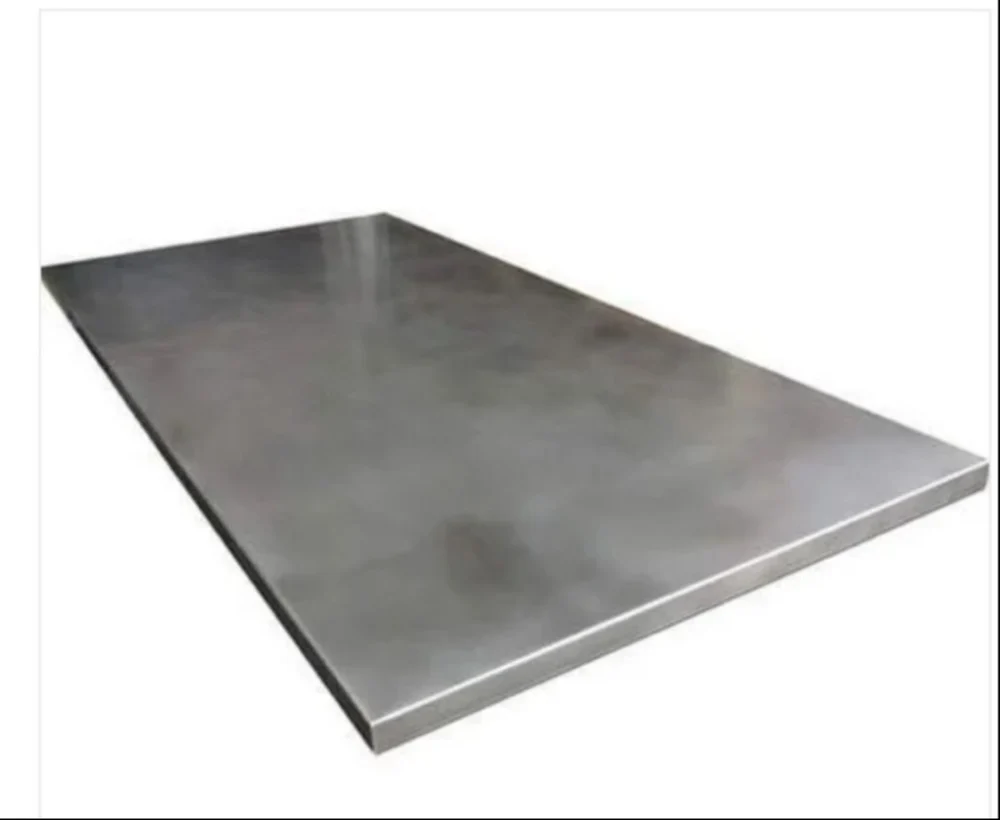
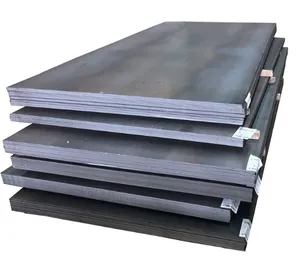
IS 2062 E250BR structural steel plates play a crucial role in the engineering and construction sectors. Renowned for their impressive balance of strength, toughness, and excellent weldability, these plates follow the strict quality standards outlined by the Indian Standard IS 2062. They’re commonly utilised in projects that require dependable structural support and long lasting durability. By grasping their characteristics and applications you can make informed choices about the right steel for different projects ultimately ensuring safety and optimal performance.
What are IS 2062 E250BR Structural Steel Plates?
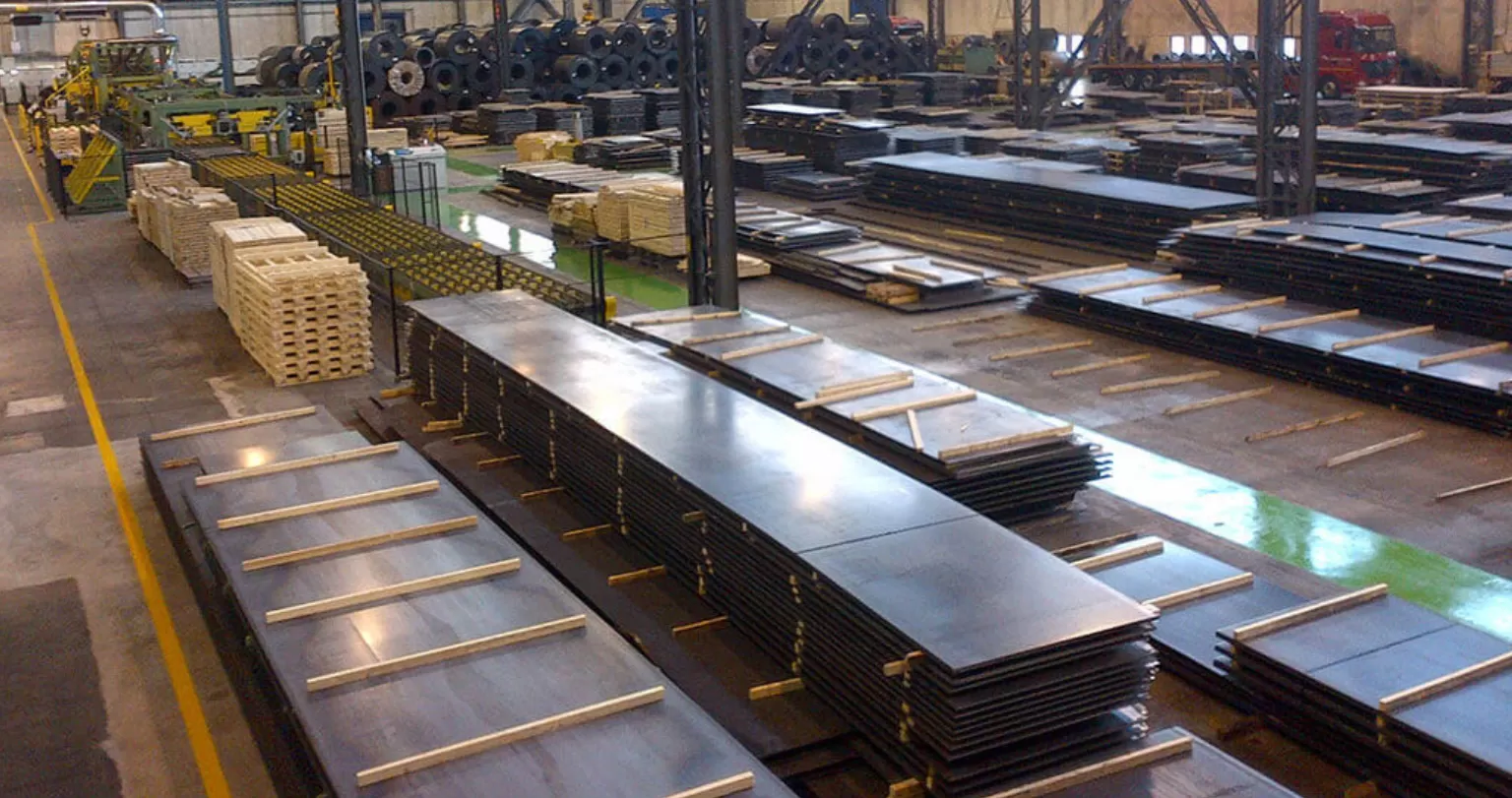
The carbon structural steel plate IS 2062 E250BR serves as a specific grade for this, purpose. The plate has superior welding ability along with adequate strength characteristics for structural applications. The designation E250 indicates the plate has a 250 MPa minimum yield strength while the “BR” designation shows that the plates receive normalised or thermo mechanical treatment to improve their mechanical characteristic. The plates function as essential components in the construction of structural elements including bridges and buildings as well as heavy machinery.
Key Properties of IS 2062 E250BR Structural Steel Plates
High Strength
IS 2062 E250BR plates have a minimum yield strength of 250 MPa. Heavy structural loads can be supported by this strength level without experiencing bending or breaking. The steel demonstrates it can handle the pressures that arise in construction and engineering project.
Good Weldability
These plates are designed to be easily welded without causing cracks or weakening the material. The property enables manufacturers to connect plates together more effectively which leads to reduced expenses and time spent on constructing large structures.
Toughness
The thermomechanical treatment enhances the resistance of these plates to impact forces. The plates demonstrate impact resistance through energy absorption while operating at low temperatures, which makes them suitable for extreme conditions and vital structural functions.
Ductility
The IS 2062 E250BR steel can bend or deform without sustaining damage. This property aids in the installation process and during fabrication because it enables plates to be formed into intricate designs while maintaining their strength.
Corrosion Resistance
These steel plates possess a controlled chemical composition which delivers moderate resistance against corrosion but it does not qualify as stainless steel. The controlled chemical composition of the steel plates helps in protecting structures which face weather and industrial elements to achieve extended lifespans.
Applications of IS 2062 E250BR Structural Steel Plates
Construction Industry
These plates are commonly used in buildings, bridges and other civil structures. Their strength and toughness support heavy loads and provide structural integrity ensuring safety and durability.
Shipbuilding
IS 2062 E250BR plates are used in making ship hulls and offshore platforms. Their resistance to impact and ability to withstand harsh marine conditions make them ideal for these demanding environments.
Heavy Machinery Manufacturing
Components like cranes, loaders, and other machinery parts often use these plates. Their ability to handle stress and impact ensures reliable operation under tough working conditions.
Automotive Sector
The steel plates are used in vehicle chassis and frames, providing a strong but flexible foundation. This helps improve vehicle safety and performance while maintaining cost.
Industrial Fabrication
Tanks, pipelines and structural frameworks in factories are often built with IS 2062 E250BR plates. Their balance of strength and weldability makes fabrication easier and more reliable for industrial uses.
Conclusion
IS 2062 E250BR structural steel plates combine strength, toughness, and good weldability. Their wide application in construction, shipbuilding, and machinery proves their value. These plates offer a practical and efficient solution for many structural needs while maintaining quality and safety standards.