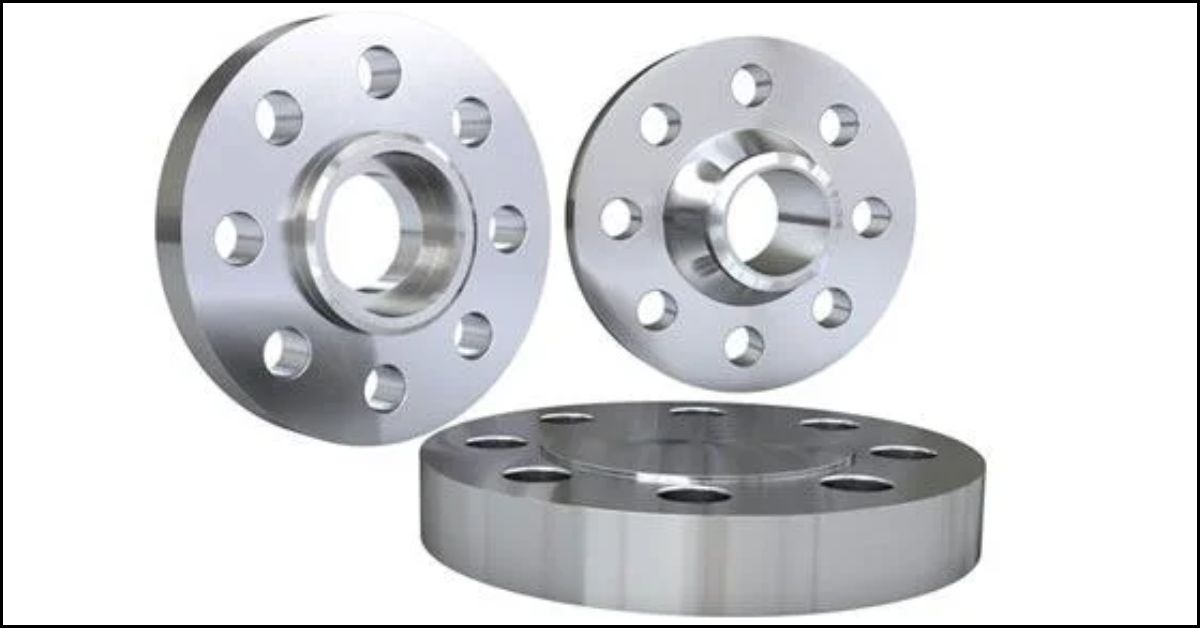
The rising demand for high-strength, corrosion-resistant steel plates has altered how industries select materials. Many plants now operate in harsh environments with high temperatures, high pressures, and corrosive fluids. In these conditions, standard steels fall short. This is where Duplex Steel Plates stand out. They combine strength, durability, and corrosion control in one solid product. Their dual-phase structure makes them a strong choice for heavy-duty industrial use. From offshore rigs to chemical plants, these plates handle stress without frequent failure. In this blog, we explain what duplex plates are, how they work, and where they perform best. We also cover key properties, major advantages, common standards, and real-world uses. You will also learn how to choose the right Duplex Steel Plates manufacturer and a dependable Duplex Steel Plates Supplier for long-term results.
What Are Duplex Steel Plates?
Duplex Steel Plates are made from duplex stainless steel, a metal alloy with a mixed structure. It contains roughly equal parts of austenite and ferrite. This austenitic–ferritic structure gives the steel both strength and corrosion resistance. Compared to austenitic stainless steel, duplex grades offer higher yield strength and better stress corrosion cracking resistance. They also use less nickel, which helps control cost. These plates are supplied in hot-rolled or cold-rolled forms, depending on use. Industries choose them when standard stainless steel cannot handle pressure, load, or aggressive chemicals over long periods.
Key Properties of Duplex Steel Plates
Duplex plates are valued for a balance of mechanical strength and corrosion control. This mix supports long service life in tough conditions.
- High tensile and yield strength
Duplex plates offer almost double the yield strength of austenitic stainless steel. This allows thinner sections without losing load capacity. It also reduces overall material weight in structures.
- Excellent resistance to pitting and crevice corrosion
The chromium, molybdenum, and nitrogen content protect against localised corrosion. This matters in chloride-rich areas like seawater or chemical tanks. Surface damage stays limited.
- Stress corrosion cracking resistance
Duplex grades resist cracking under stress and corrosive media. This is a key benefit in pipelines, pressure systems, and heat exchangers. Failures occur far less often.
- Good weldability and toughness
Modern duplex steels weld well when proper methods are used. They maintain good impact strength at low temperatures. This makes them fit for offshore and cold-region projects.
Advantages of Using Duplex Steel Plates
The advantages of duplex plates go beyond strength alone. They also help control cost and maintenance needs.
- Reduced thickness due to higher strength
As the material is so tough, engineers may create thinner walls for tanks and pipes. This weight decrease improves shipping and reduces the overall amount of metal required for a project.
- Long service life in harsh environments
Duplex plates hold up well against corrosion and fatigue. Equipment lasts longer even in salty, acidic, or high-pressure settings. Shutdowns become less frequent.
- Lower maintenance costs
The superior corrosion resistance means one doesn’t have to paint or coat the surfaces as often. Less downtime for repairs helps keep industrial plants running smoothly without constant intervention.
- Cost-efficiency compared to nickel alloys
Duplex steels cost less than high-nickel alloys. As they offer similar strength and corrosion resistance. This balance makes them a practical choice for many industries.
Specifications and Standards for Duplex Steel Plates
Duplex steel plates are manufactured in accordance with strict global standards to assure their safety and performance. Common specifications include ASTM, ASME, and EN standards that define chemical composition, and mechanical qualities. Thicknesses range from thin sheets to massive plates, all with stringent dimensional tolerances. Heat treatment affects the phase equilibrium of austenite and ferrite. Tensile, impact, corrosion, and ultrasonic tests are all conducted. These methods ensure the interior quality, and surface integrity. Compliance with these regulations is ensured by sourcing from a certified manufacturer of Duplex Steel Plates. It also ensures traceability, test results, and reliable plate performance in service.
Industrial Applications of Duplex Steel Plates
Duplex plates serve industries where failure is not an option. Their strength and corrosion resistance support safe, long-term use.
- Oil and gas pipelines and offshore platforms: Offshore rigs face constant salt spray and high pressure. These plates are used for structural components, and subsea flowlines because they won’t rust away in the ocean.
- Chemical and petrochemical processing: Refineries deal with highly acidic chemicals and high temperatures. These plates provide the necessary barrier to prevent leaks and structural failures in storage tanks and processing units.
- Marine and shipbuilding: From ship hulls to propeller shafts, the marine industry relies on the toughness of duplex steel. It resists the erosive force of moving water and the corrosive nature of the sea.
- Pressure vessels and heat exchangers: They are the preferred material for boiler tubes and heat exchange systems due to their ability to withstand high temperatures and pressure. They maintain their shape and strength even as internal pressure increase.
- Desalination and water treatment: Turning seawater into drinking water involves high salt concentrations. These plates are used in evaporation chambers and piping because they can withstand the aggressive brine.
Duplex Steel Plates vs Stainless Steel Plates
Both materials serve industrial demands, however their performance levels vary. The option is determined by the load, environmental conditions and cost.
Strength comparison
- Duplex Steel Plates: Offer much higher yield and tensile strength. This allows thinner sections.
- Stainless Steel Plates: Lower strength limits use in heavy-load systems. Thicker plates are often required.
Corrosion resistance
- Duplex Steel Plates: Perform better under chloride and stress conditions. Cracking risk remains low.
- Stainless Steel Plates: Good general resistance but weaker against stress corrosion cracking.
Cost vs performance
- Duplex Steel Plates: Slightly higher upfront cost but lower life-cycle expense.
- Stainless Steel Plates: Lower initial price but higher maintenance over time.
Suitability for demanding applications
- Duplex Steel Plates: Ideal for offshore, chemical, and pressure systems.
- Stainless Steel Plates: Best for mild environments and general fabrication.
Choosing the Right Duplex Steel Plates Supplier
Choosing the proper supplier is as important as choosing the grade. A trusted supplier of duplex steel plates offers full quality certifications as well as detailed test reports. These confirm strength, chemistry, and corrosion resistance. Inventory range also matters, especially when custom sizes are required. Reputed suppliers follow strict manufacturing process and international standards. They also helps clients with technical guidance and fast delivery. Working with an experienced supplier reduces project risk and delays. It ensures that plates performs well, when once installed in demanding industrial environments.
Conclusion
Duplex Steel Plates combine strength, corrosion resistance, and long service life. They suit oil, gas, marine, chemical, and water industries. Their advantages include reduced thickness, lower maintenance, and strong cost control. Choosing the right grade and a trusted supplier is critical for safe operation. When quality matters, sourcing from an experienced manufacturer makes the difference. Contact a reputable manufacturer and supplier, such as Navgraha Steel & Engg Company, which provides superior Duplex Steel Plates that ensure long-term industrial reliability and consistent performance.