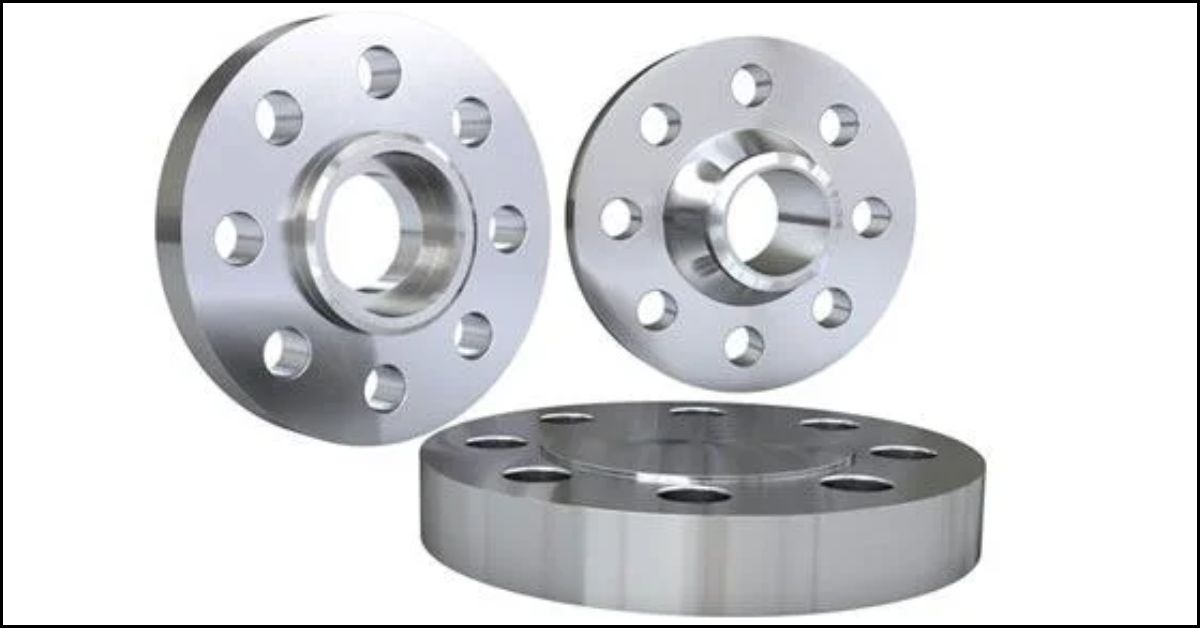
Flanges are a basic but vital part of any industrial piping system. They join pipes, valves, pumps, and other equipment into one sealed line. A strong flange keeps pressure steady, prevents leaks, and allows easy access for repair. When a flange fails, the whole system suffers. Production stops. Safety risks rise. Costs increase fast.
Today, industries want materials that last longer and need less care. Corrosion, heat, and pressure are daily challenges in most plants. Older materials often wear out too soon. This has led to a steady rise in demand for corrosion-resistant and durable flange materials that can handle rough use without frequent replacement.
This is where 304 Stainless Steel Flanges come in. They offer a reliable mix of strength, rust resistance and value. Many engineers see them as the safest all-around choice for standard industrial use. They perform well in clean systems and in harsh operating zones.
These flanges resist rust, hold their shape, and stay strong over time. They are easy to source, simple to install, and proven in real plants. For many projects, they strike the right balance between performance and cost.
What Are 304 Stainless Steel Flanges?
304 stainless steel is one of the most widely used stainless grades in the world. It is an alloy made mainly of iron with chromium and nickel added. The chromium content forms a protective surface layer that helps block rust and surface damage.
This grade has an austenitic structure. That means it stays tough even at low temperatures and does not become brittle. In addition, it resists heat better than ordinary carbon steel. This combination of features qualifies 304 stainless steel for use in many industrial applications.
304 stainless steel flanges come in a variety of standard types. These include slip-on flanges for easy alignment, weld neck flanges for high-stress lines, blind flanges to close pipe ends, and socket weld flanges for small-diameter piping. Each type serves a clear purpose.
These flanges are used in pipelines that carry water, steam, gas, oil, and process fluids. They are used where safety, cleanliness, and long service life matter.
Key Properties of 304 Stainless Steel Flanges
- Excellent corrosion and oxidation resistance
304 stainless steel is a good performer in the presence of moist air, fresh water, and various mild chemicals. Over time, it resists surface rust and scaling. Hence it is a good choice for indoor plants as well as outdoor piping systems.
- Good tensile and yield strength
These flanges can handle heavy loads without cracking or deforming. Their strength keeps pipe joints tight even during pressure changes. This reduces leaks and joint failure.
- High temperature and pressure tolerance
304 stainless steel flanges remain stable across a wide temperature range. They work well in steam lines, heated process pipes, and pressure systems found in many industries.
- Smooth surface and hygienic properties
The smooth surface resists the accumulation of dirt, bacteria and residue. It is very easy to clean, and the cleaning is also very effective. That is why the material is perfect for the systems which have to comply with hygienic rules.
Advantages of Using 304 Stainless Steel Flanges
- Long service life
These flanges are built to last. Their resistance to rust and wear reduces early damage. Over time, this lowers replacement and shutdown costs.
- Easy fabrication and welding
304 stainless steel is easy to cut, form, and weld. Fabricators do not need special tools or complex steps. Weld joints stay strong when proper methods are used.
- Low maintenance requirements
The material does not need paint or special coatings. Regular visual checks are usually enough. This saves labour and ongoing upkeep expenses.
- Cost-effective compared to higher alloy grades
While offering strong performance, 304 costs less than grades like 316. For most industrial uses, it delivers everything needed at a lower price point.
Industrial Applications of 304 Stainless Steel Flanges
- Chemical and petrochemical plants
These plants deal with reactive fluids and heat. 304 stainless steel flanges handle many common chemicals without rapid corrosion or failure.
- Food and beverage processing
Cleanliness is critical in food lines. These flanges support wash-down routines and meet hygiene needs. Their smooth surface helps avoid contamination.
- Pharmaceutical and sanitary piping
In pharma systems, product purity matters. 304 stainless steel flanges allow thorough cleaning and resist buildup that could affect quality.
- Oil & gas and refineries
Refineries need materials that manage heat, pressure, and vibration. These flanges offer stable performance in processing and transfer lines.
- Water treatment and power generation
From clean water pipelines to steam systems, these flanges perform reliably. They resist corrosion caused by treated water and repeated heat cycles.
Specifications and Standards
- ASTM, ASME, and EN standards
304 stainless steel flanges are produced under strict global standards. ASTM covers material grades, while ASME and EN define size, design, and pressure rules.
- Pressure ratings and dimensions
These flanges are available in many pressure classes and sizes. This allows easy matching with existing piping layouts and system needs.
- Testing and quality certifications
Quality flanges go through chemical tests, strength checks, and visual inspection. Mill test certificates confirm grade and compliance.
- Importance of sourcing from a certified 304 Stainless Steel Flanges manufacturer
A certified manufacturer follows controlled processes and inspection steps. This ensures the flanges meet design and safety needs before delivery.
304 vs 316 Stainless Steel Flanges
Both grades resist corrosion, but they suit different conditions. 316 stainless steel includes molybdenum, which helps in salty or chemical-heavy settings. For most standard plants, this extra protection is not needed. Cost also plays a critical role. 304 stainless steel flanges are more affordable. Using 316 where it is not required adds cost without a clear benefit. For food plants, water systems, general piping, and many process lines, 304 is usually the smarter choice. Selection should always match the service environment.
Choosing the Right 304 Stainless Steel Flanges Supplier
A reliable supplier offers full material traceability. Heat numbers, test reports, and certifications should be easy to access. This supports audits and quality checks. Manufacturing quality matters as much as material grade. Look for proper forging, machining accuracy, and final inspection. These steps reduce field issues later. Stock range is another key point. A supplier with ready inventory shortens lead times. Custom sizes and finishes offer added flexibility for special jobs. Partnering with a reliable 304 Stainless Steel Flanges supplier will give you the essential benefits such as consistent quality, delivery on time, and technical support when required.
Conclusion
304 stainless steel flanges remain one of the most reliable choices for industrial piping. They offer strong performance, good rust resistance, and long service life at a fair cost. Their ease of use, low maintenance, and wide availability make them suitable for many industries. They produce consistent results, whether it is from clean processing lines or high-pressure systems. However, results are dependent on quality.
Choosing a good supplier and manufacturer to ensure long-term performance and safety.